

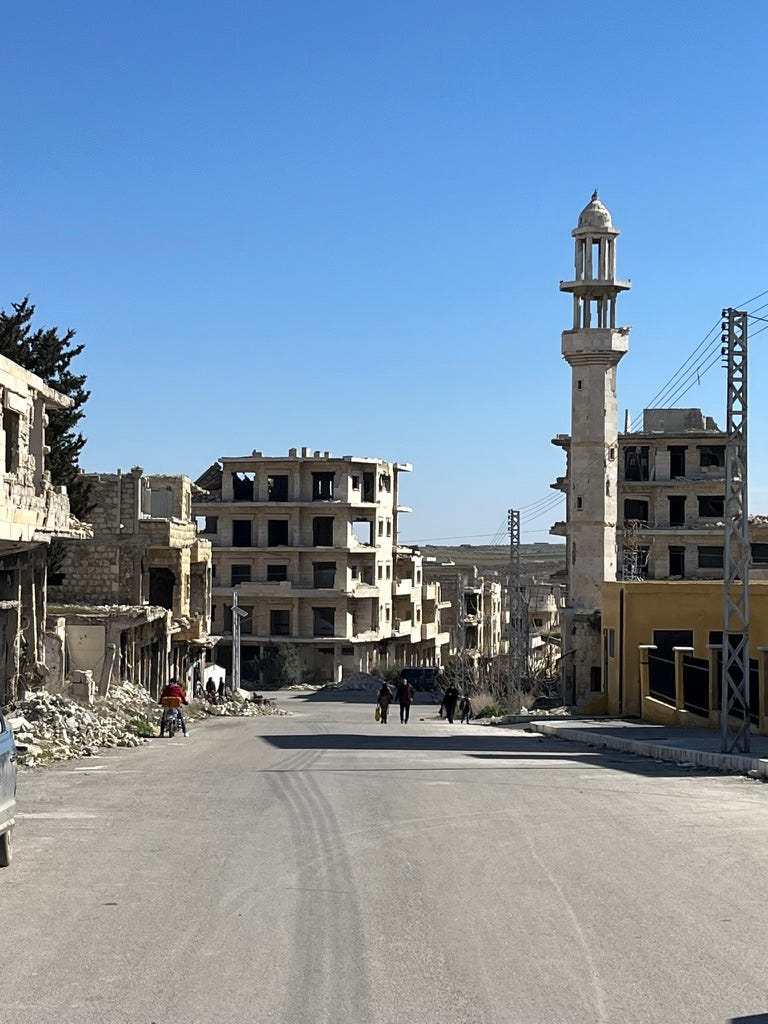
A large number of people are preparing to flood Damascus to celebrate the 1 year anniversary of the overthrow of Assad. Among those, a large number of foreigners are likely to be among them, including analysts, researchers, and policymakers. This is a historic moment for many to visit Syria and better understand the challenges facing the nation.
The usual policy itinerary is familiar:
• Arrive through the newly rebuilt Damascus International Airport.
• Settle into the Sheraton or the Four Seasons for the veneer of security.
• Hold meetings in hotel lobbies, shuttle between ministries and NGOs.
• Walk the Old City
• Drive out to Jober and Daraya to absorb the destruction and the slow, uneven rebuild.
• If time allows, squeeze in Homs or an overnight in Aleppo.
• Fly home satisfied with a well-curated snapshot.
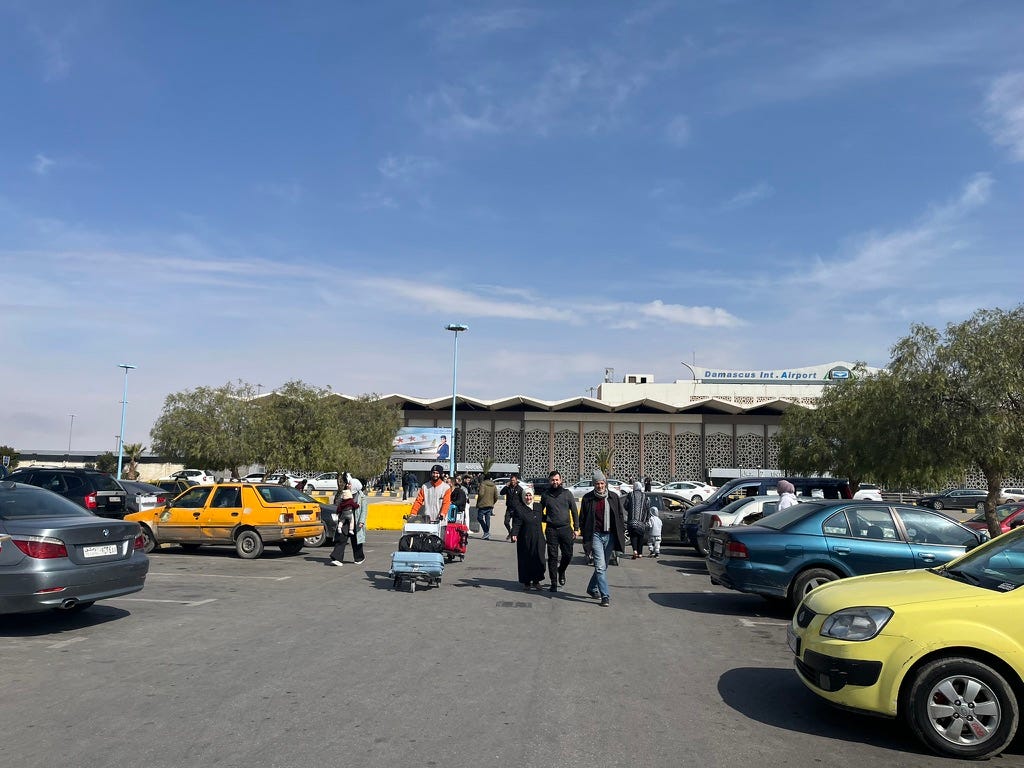
There is quite a bit to see and experience in Damascus, both from its history to its modern recovery after the war. But it is not in any way a holistic barometer for evaluating Syria’s recovery or understanding the pulse of Syrian public opinion. It takes more time (and a degree of risk), but policy makers and scholars could stand to gain exponential depth to their work if they go beyond Damascus.
Syria’s destruction and the broader challenges of recovery are onion-like layers of complexity. Each town or village differs from its neighbors in terms of layers of destruction, level of persecution, and rate of recovery. When I visited with Refugees International in February, we tracked from Damascus, Homs, Aleppo, Idlib, and Hama, and visited a number of IDP camps and destroyed villages to speak with Syrian families and local officials. The lessons we learned and what we saw was hard to put into paper, though we tried in this report.
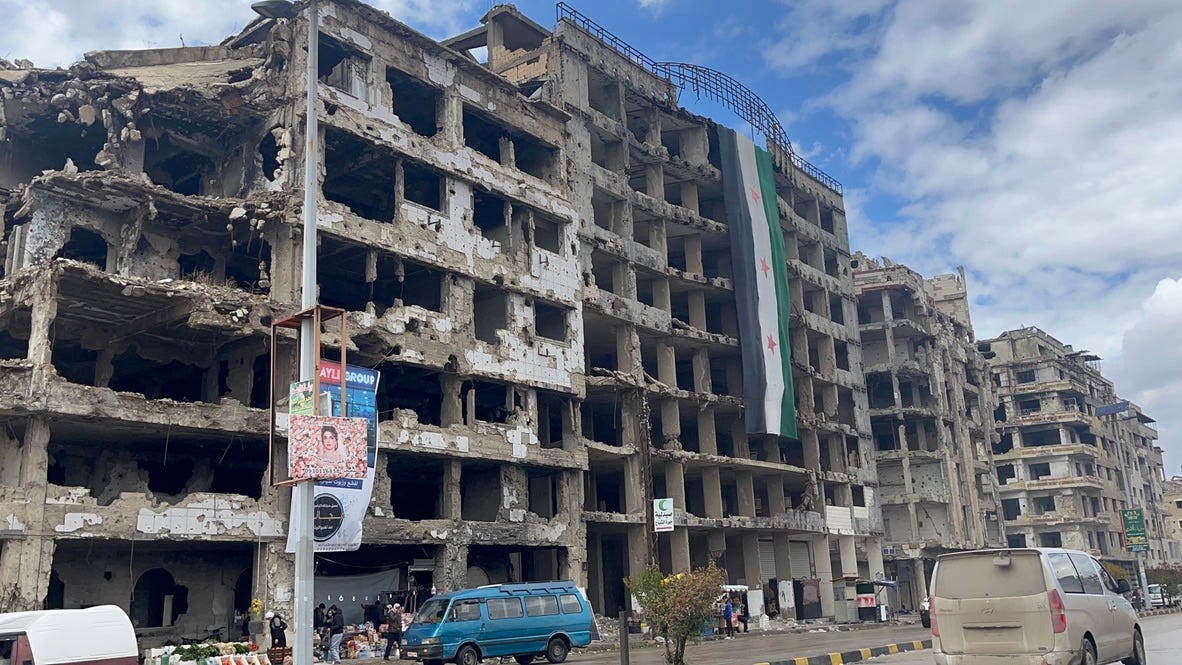
[See RI paper here]
I returned in June this year and the rate of development and security in Damascus had dramatically improved. However, many places in the countryside were still coping with growing returnee populations with limited to no support for their reintegration, much less any form of real basic services. On a day trip to eastern Homs town of Qaryatain just two hours east of Damascus, I got to see this firsthand when visiting returnees from the Rukban camp. Huge portions of the town lay on rubble. There is some electricity, but it is limited to a few hours. Many returnees are still living next to their homes in tents. The clinic had only morphine and bandages and could not manage even simple illnesses. It was a similar story passing from Daraa to Suwaida on my way to Damascus by car from Amman. You can see the destruction and years of state neglect of the south, which has been doubly complicated by Israeli occupation and conflict between Druze and tribal militias.
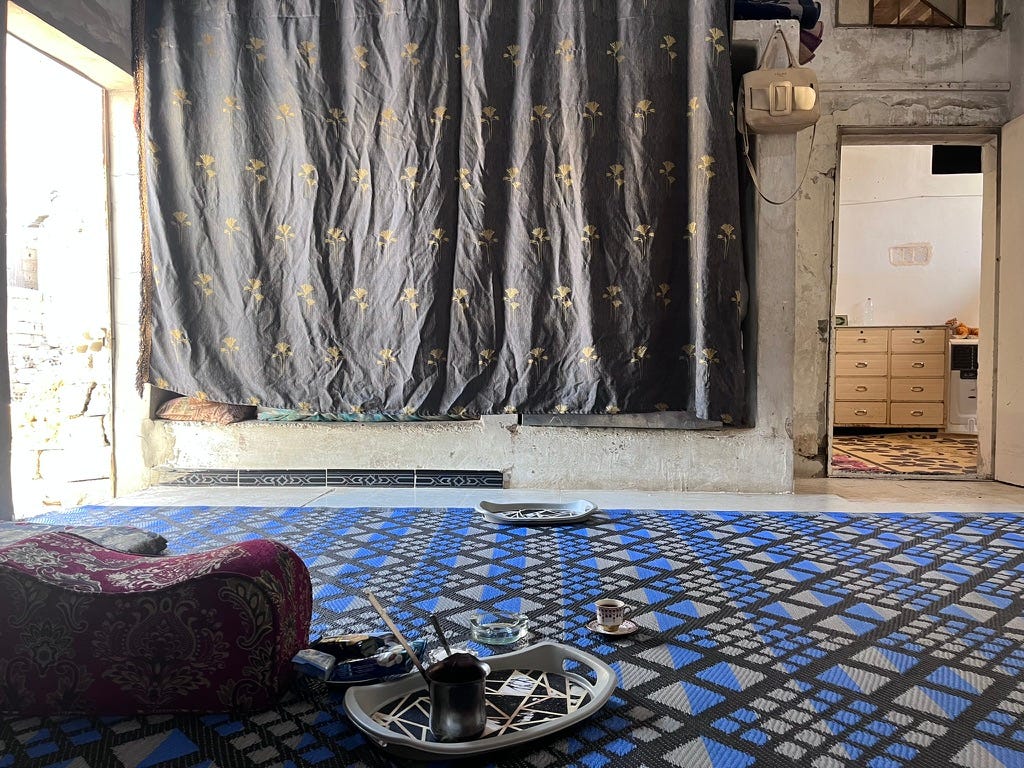
The stories change dramatically in these areas because you see firsthand that, just like at the beginning of the revolution, change often emerges from the countryside. If policies in DC and Brussels are not inclusive of informed engagements with the countryside and areas beyond Damascus, countries end up painting a false or incomplete picture to their policy makers and misinform good foreign policy.
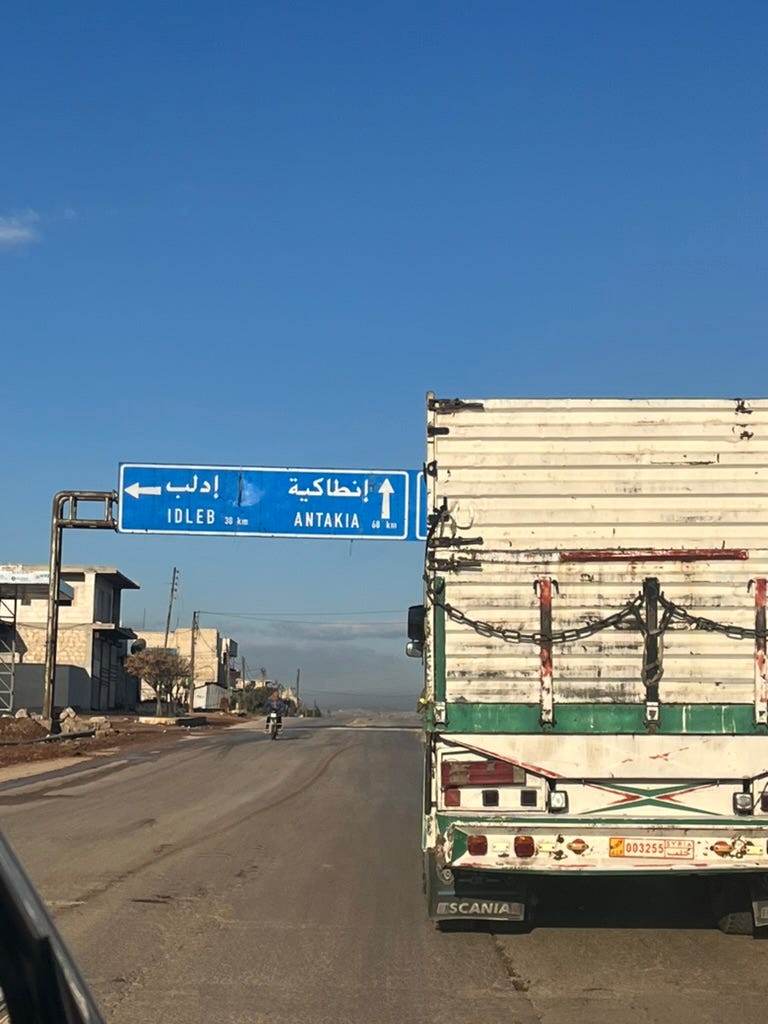
The solution? Go, see, and speak people with Syrians beyond Damascus. If you do not have the capacity due to time constraints or security risks, talk to Syrians who do. Go speak with local councils, the local HAC officials, town health representatives, or local returnees or IDPs. It’s one thing to talk to a minister or office director in Damascus. It’s different to talk to an official in a village like Mar’at Numan or Dara’a.
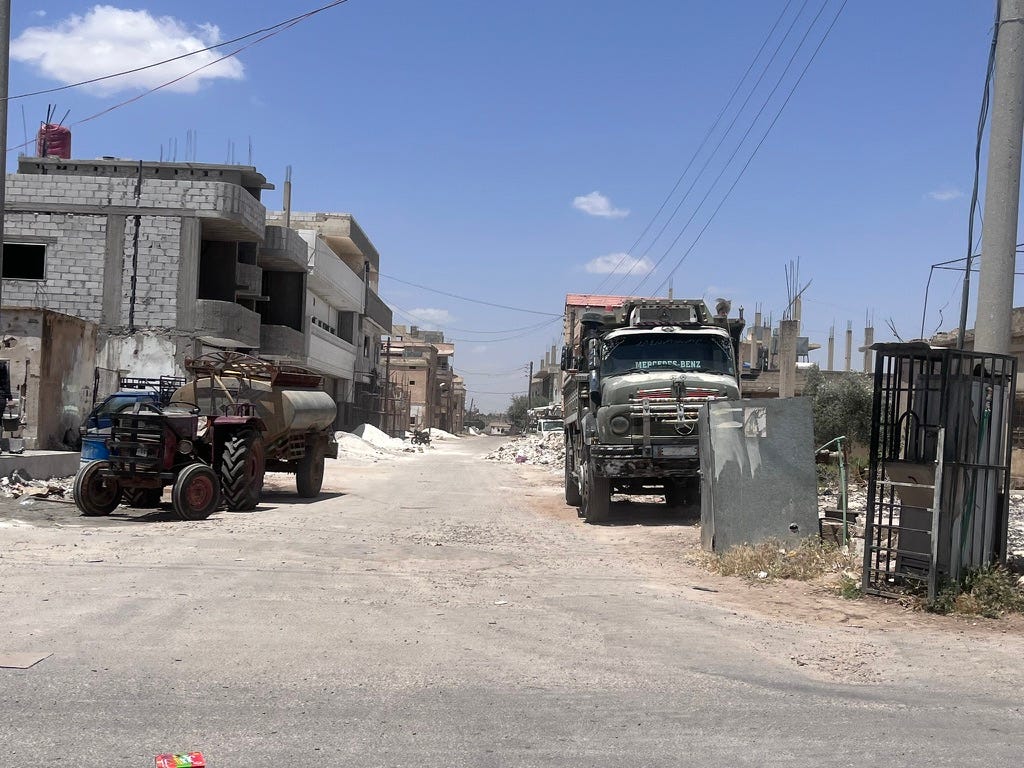
And, while celebrating the revolution is a euphoric moment, remember that underneath that joy and celebration is a nation deeply wounded and seeking to rebuild, recover, and restore their rights, dignity, justice, and opportunity.
Our policy work should be inclusive of that aspiration and work to help Syrians thrive.
If you are interested in supporting my research and analysis with Coffee in the Desert newsletter, please considering supporting us so we can keep this free and accessible to a broad audience.